
THE NEW FRANKFURT
Real-World Lab for Affordable Housing and Vibrant Urban Quarters 2026–2031
What was successfully implemented 100 years ago is becoming possible again today.
1925–1930
0
apartments in 6 years
Ernst May and Ludwig Landmann created a municipal program that set new standards. DAS NEUE FRANKFURT was on par with BAUHAUS in Berlin and Dessau. Serial construction, standardized floor plans, normalized planning and components. An administration that organized speed. Innovative financing through a housing interest tax, tenant deposits and a municipal housing company (ABG) as construction and financing vehicle.
2026–2031
0
apartments in 6 years
THE NEW FRANKFURT translates this logic into today. We revitalize existing buildings along Mainzer Landstraße, create apartments from offices, enable vertical densification and make projects bankable with digital twins, standardized conversion packages and transparency for banks, investors and administration. Financing combines public and transformation capital with private investors. Tokenization complements traditional structures with agile pooling capability.
Five themes. Then and now.
Reduce housing shortage quickly
Serial construction, standardization, speed.
Conversion, revitalization and densification, with repeatable building blocks for planning, permitting, financing and construction.
Ensure everyday quality
Light, air, green spaces, functional floor plans.
Robust apartments in existing buildings: floor plans, energy, noise, climate resilience, green roofs and facades.
Build social infrastructure
Neighborhoods as supply and community units.
Housing plus daycare, social facilities and local supply for short distances, as an integrated component.
Activate urban space
Proximity, supply, short distances.
Ground floors, social spaces and night economy as stability factor, combined with safety and quality of stay.
Organize implementation collectively
Administration, planners, industry and engineers as a production community.
Fast-track as operating manual: aligned criteria, defined responsibilities, short loops.
Three buildings. Today and tomorrow.
Large existing volumes become housing, social infrastructure and vibrant quarters.
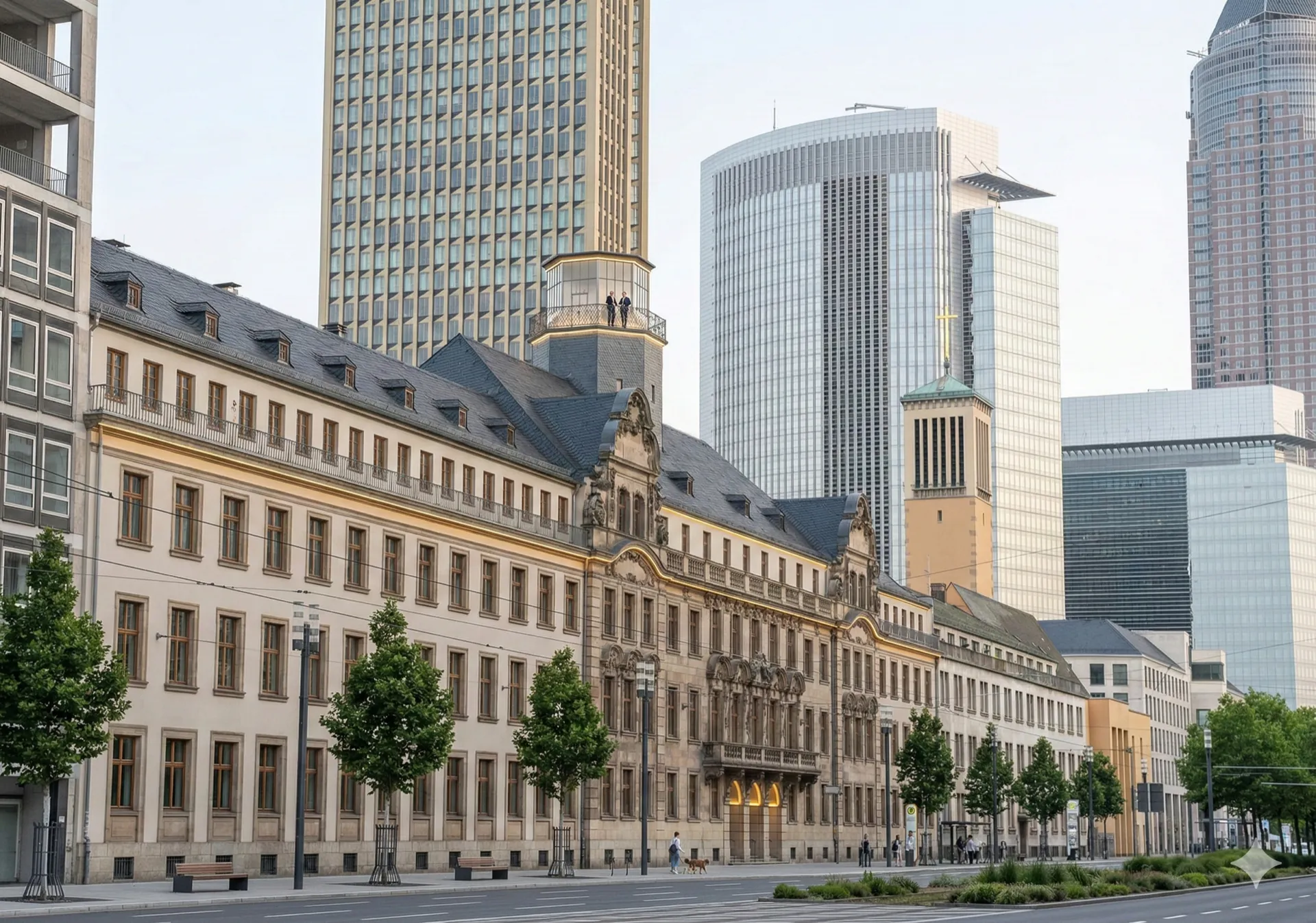
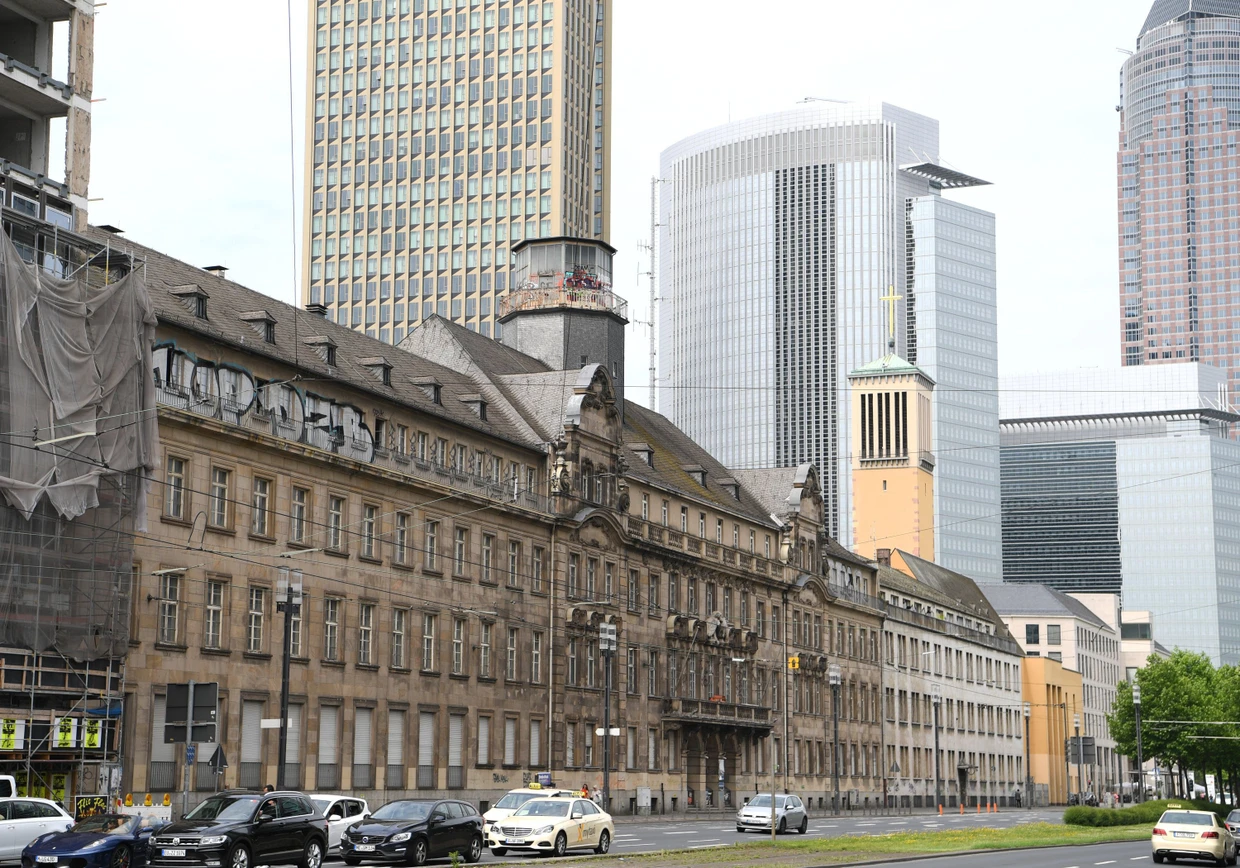
Old Police Headquarters
A striking building with high visibility and signal effect. Bridge object for new usage concepts.
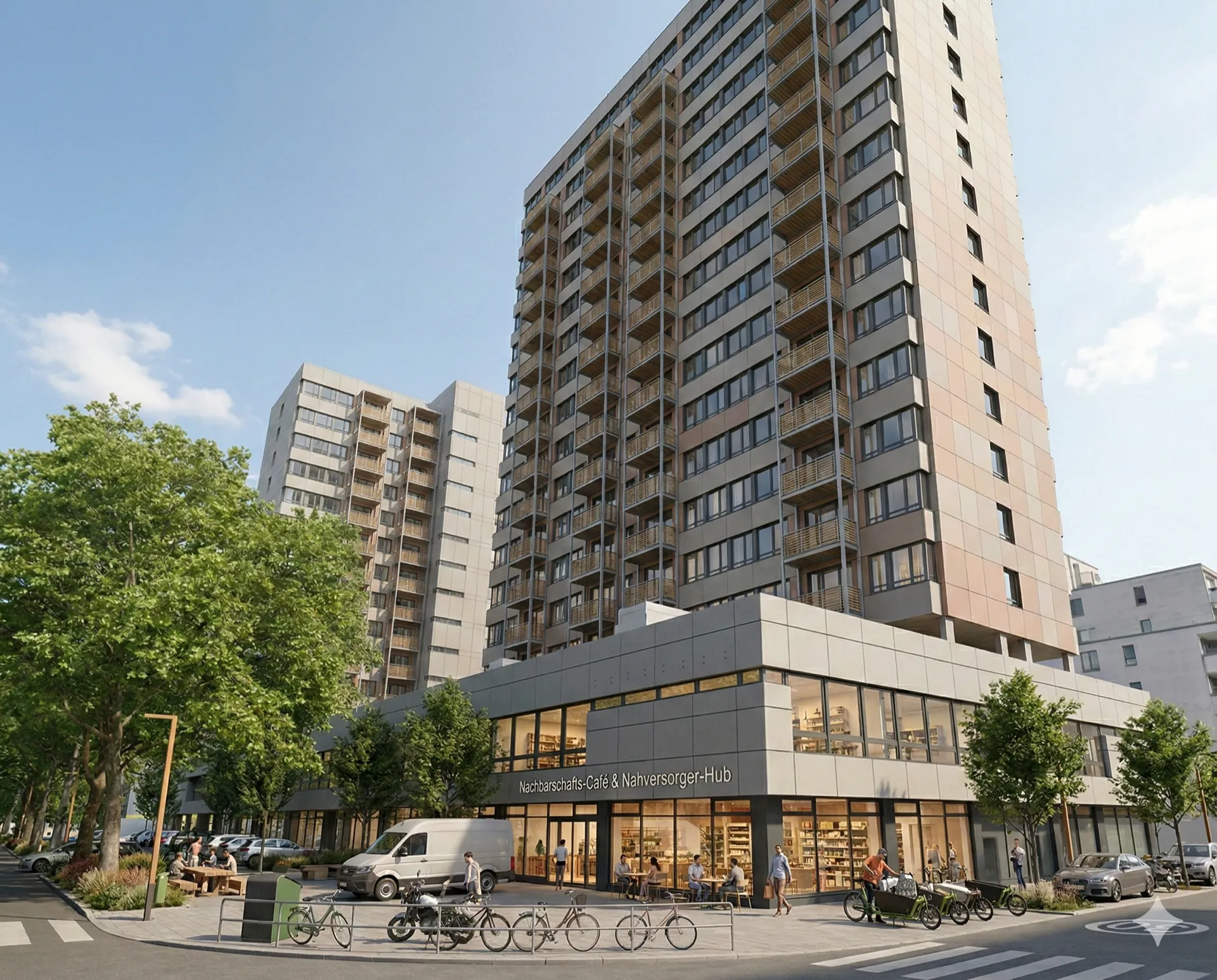
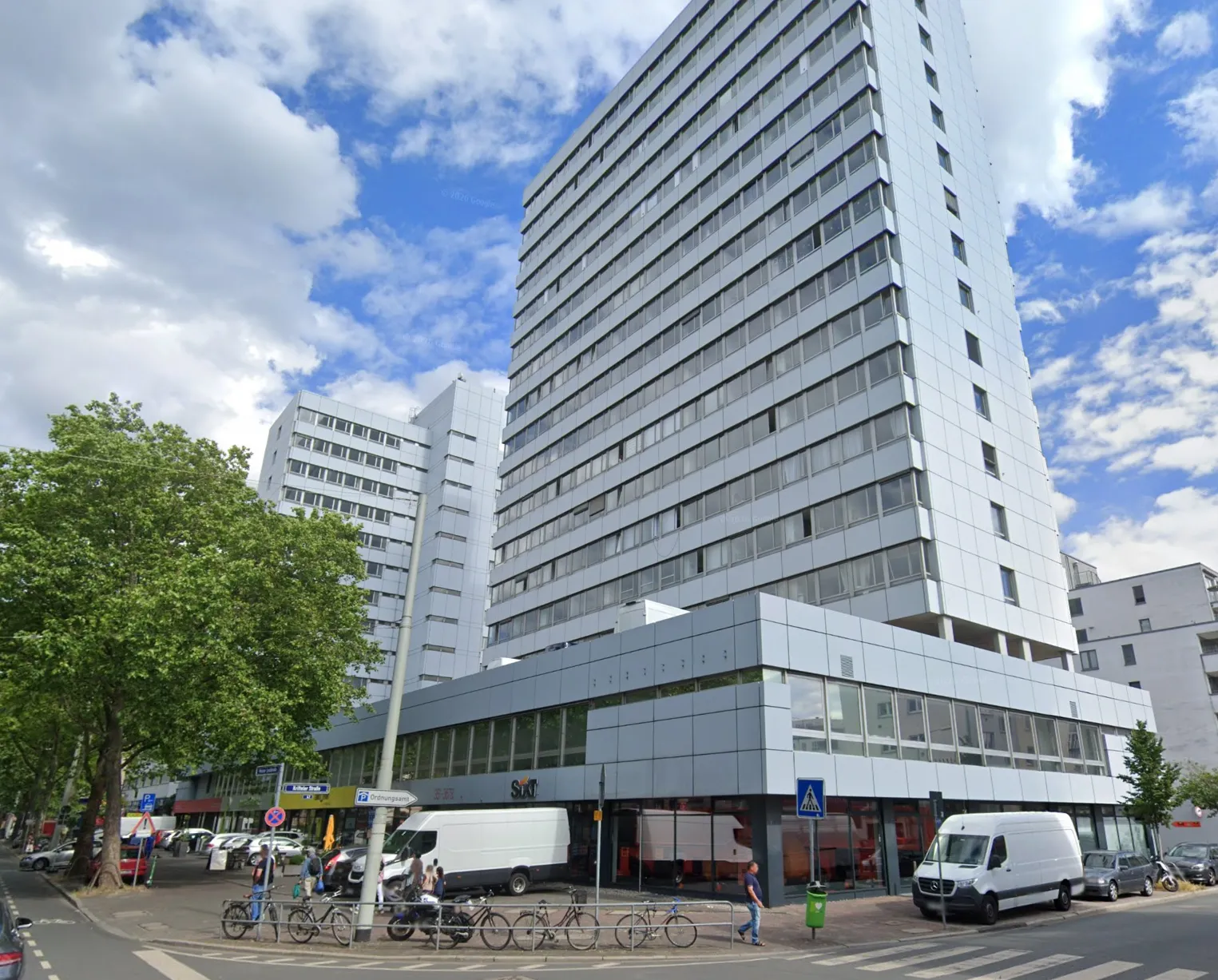
Mainzer Landstraße 351–353
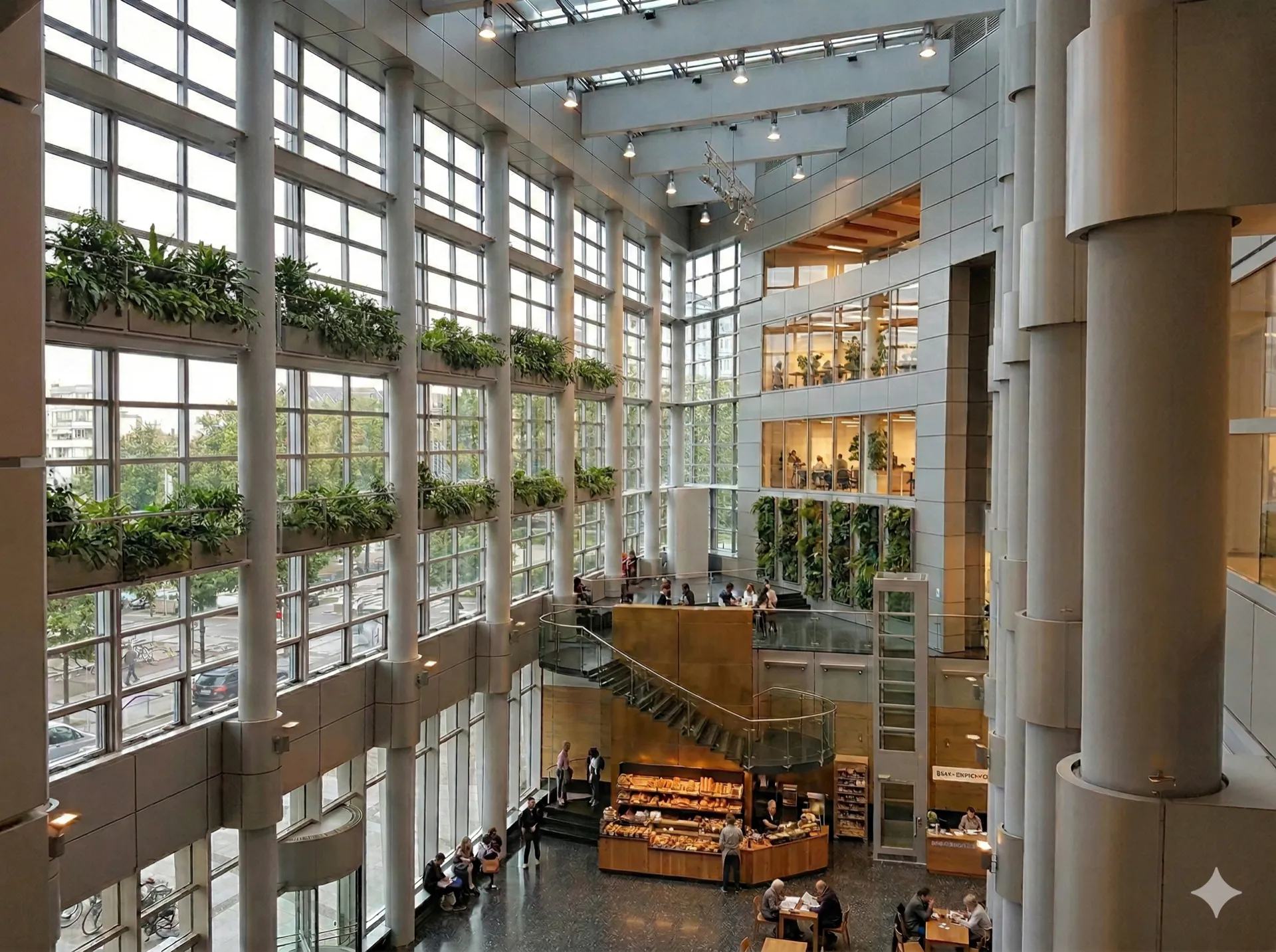
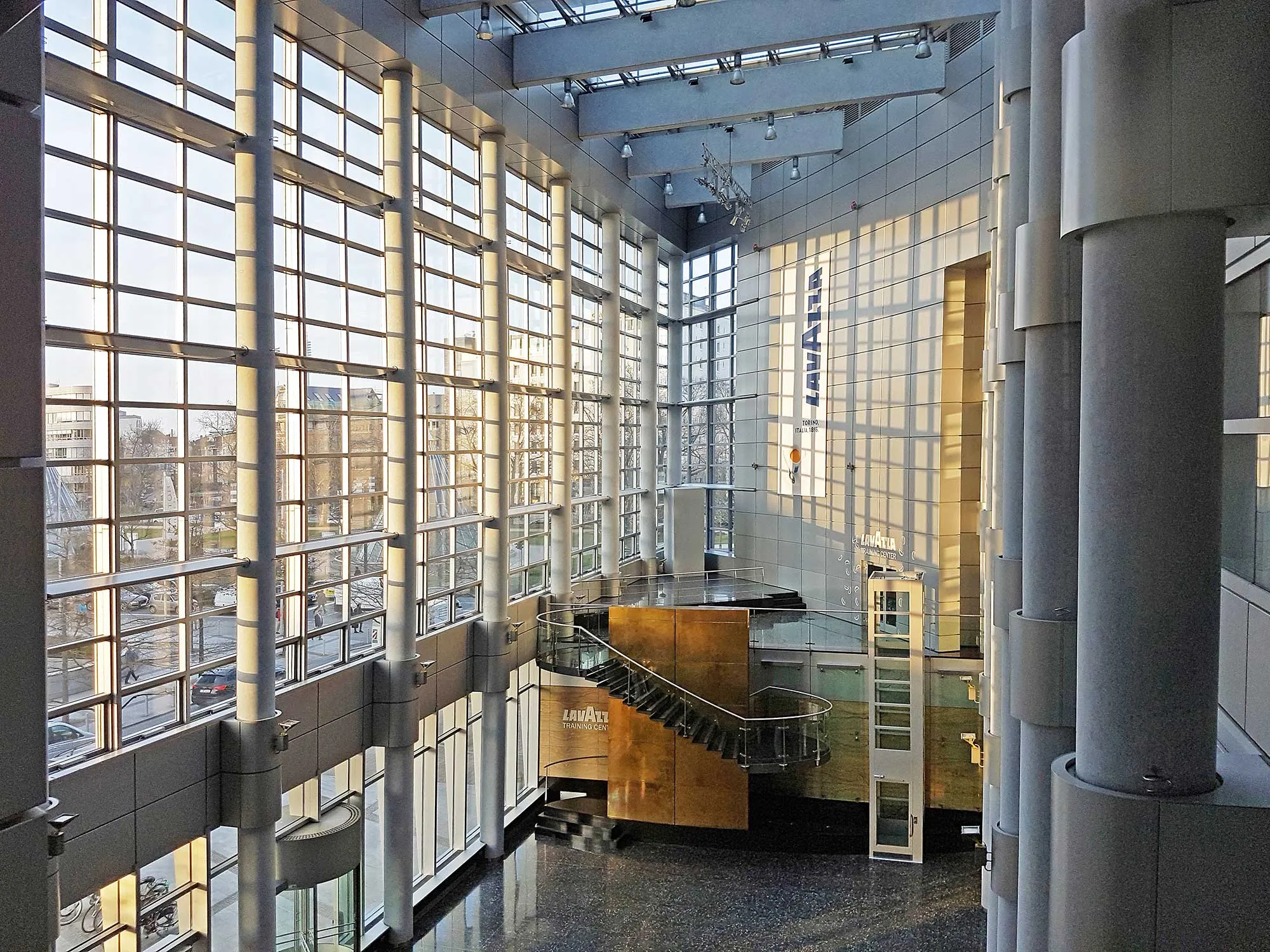
Two 1972 office towers in Gallus. Repurposed for affordable, beautiful housing with neighborhood spaces like a daycare or café on the ground floor.
Pollux
Iconic 1995 high-rise at the Messe. Modular new mixed-use with standardized building blocks.
Europaturm
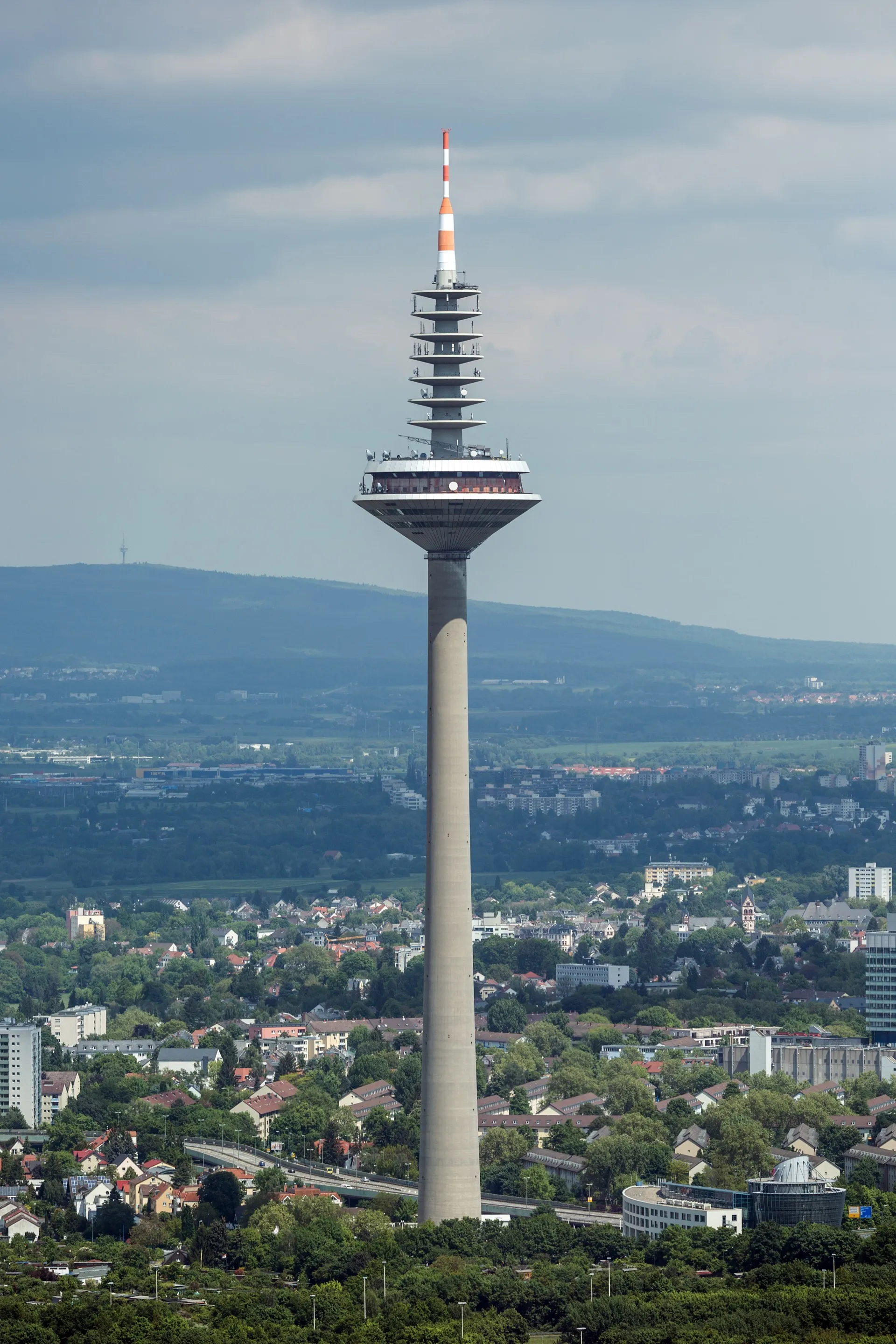
Frankfurt's landmark becomes an innovation hub
The Europaturm is set to become the symbol for Frankfurt's path to the future. As the lighthouse project of the real-world lab, it combines utility, innovation and unique architecture with the scaling of methods and innovative financing.
The Core: Simulation & Platform
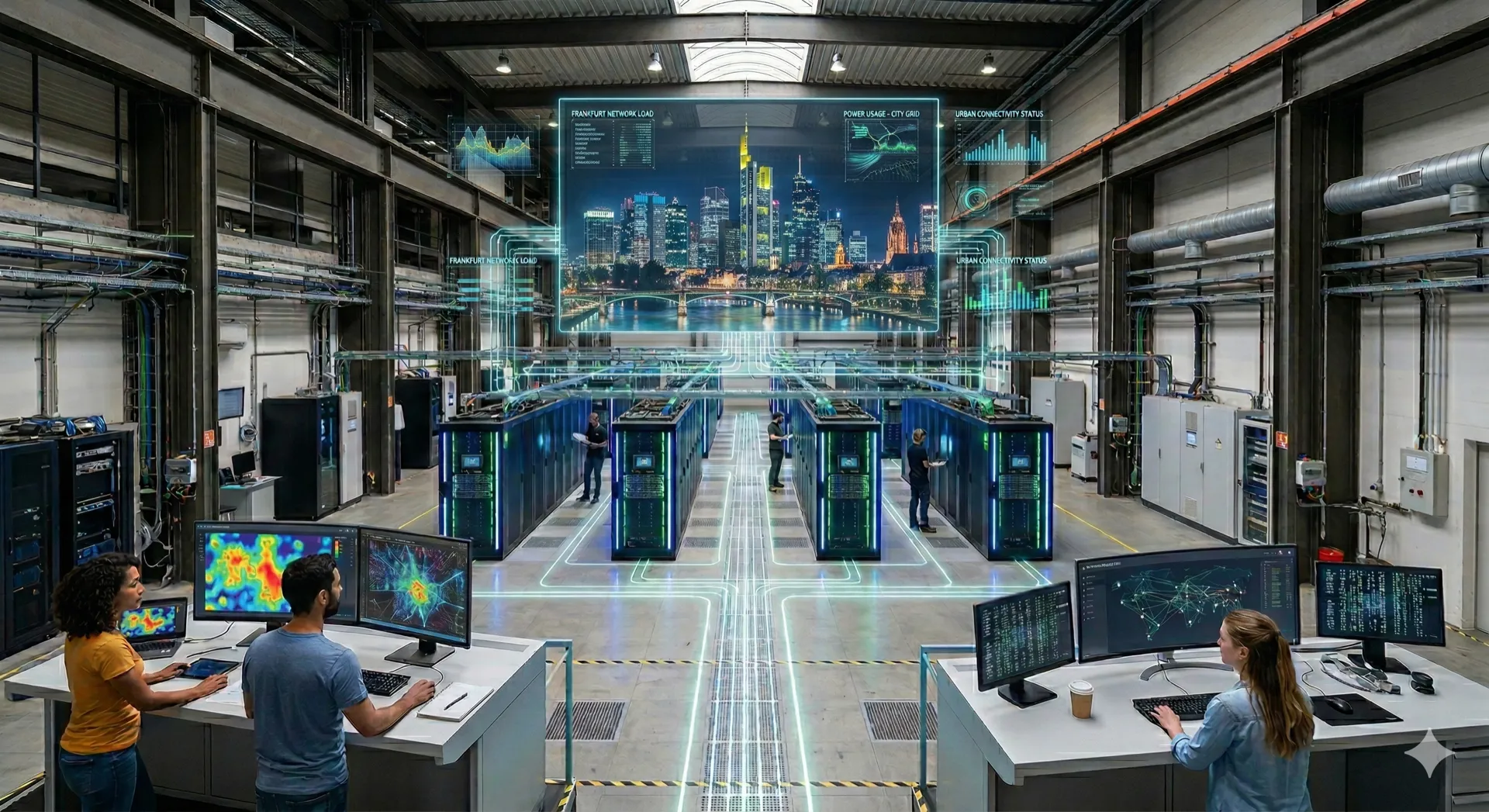
A brownfield data center with high-performance PODs makes development visible, faster and more bankable.
Design-to-Cost / Design-to-Carbon
Calculate variants, maintain cost and CO₂ corridors, standardize conversion paths.
Technical & Fire Safety
Digital test scenarios instead of paper loops for faster decision maturity.
ReUse Planning
Material inventories, deconstruction/reuse options, residual values, logistics.
Treasury Twin
Construction progress, fund calls, evidence, budget/actual, audit trail in one system.
What will be built by 2031.
2,500
Apartments
23
Buildings in program
6
Years of implementation
2,400
School places (up to)
Become part of THE NEW FRANKFURT.
Are you an owner, planner, engineer, bank, municipality or scientist? We are looking for partners who want to actively get involved.